I do not think people truly understand the Smoky Mountains until they experience them in person.
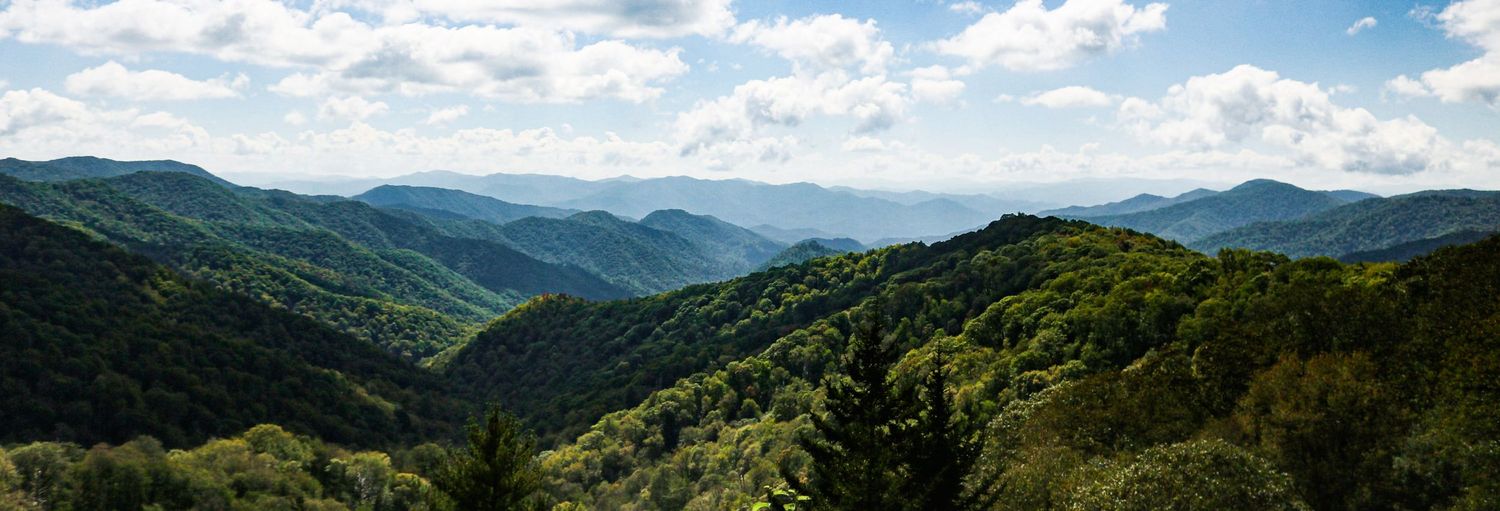
You can look at photographs online all day long, but standing here feels different. The air feels heavier after rain. The mountains fade into soft blue layers that almost look painted. Fog rolls through the trees so slowly it feels unreal. Even the quiet here feels different.
I think that is why photography in the Smoky Mountains feels so emotional.
As a Bryson City photographer, I have spent countless evenings driving mountain roads chasing good light, watching storms move across the ridges, or pulling over because the sky suddenly turned gold for five minutes.
Some of the best photos I have ever taken happened completely unexpectedly. Not because everything was perfectly planned, but because the mountains have a way of creating moments you could never recreate in a studio.
That is what makes Smoky Mountain photography so unique.
The scenery itself is obviously beautiful, but what makes these photos meaningful is the feeling attached to them.
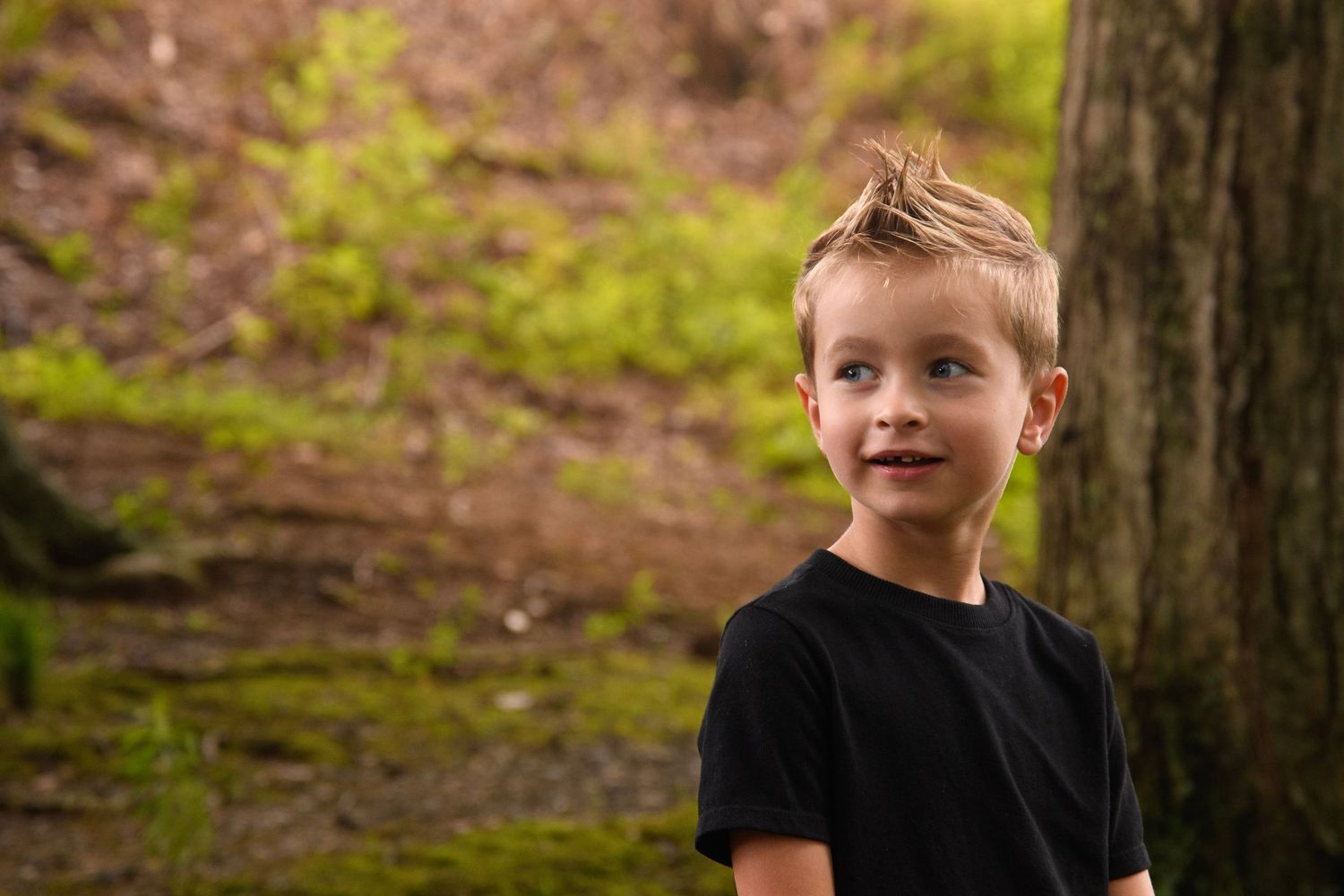
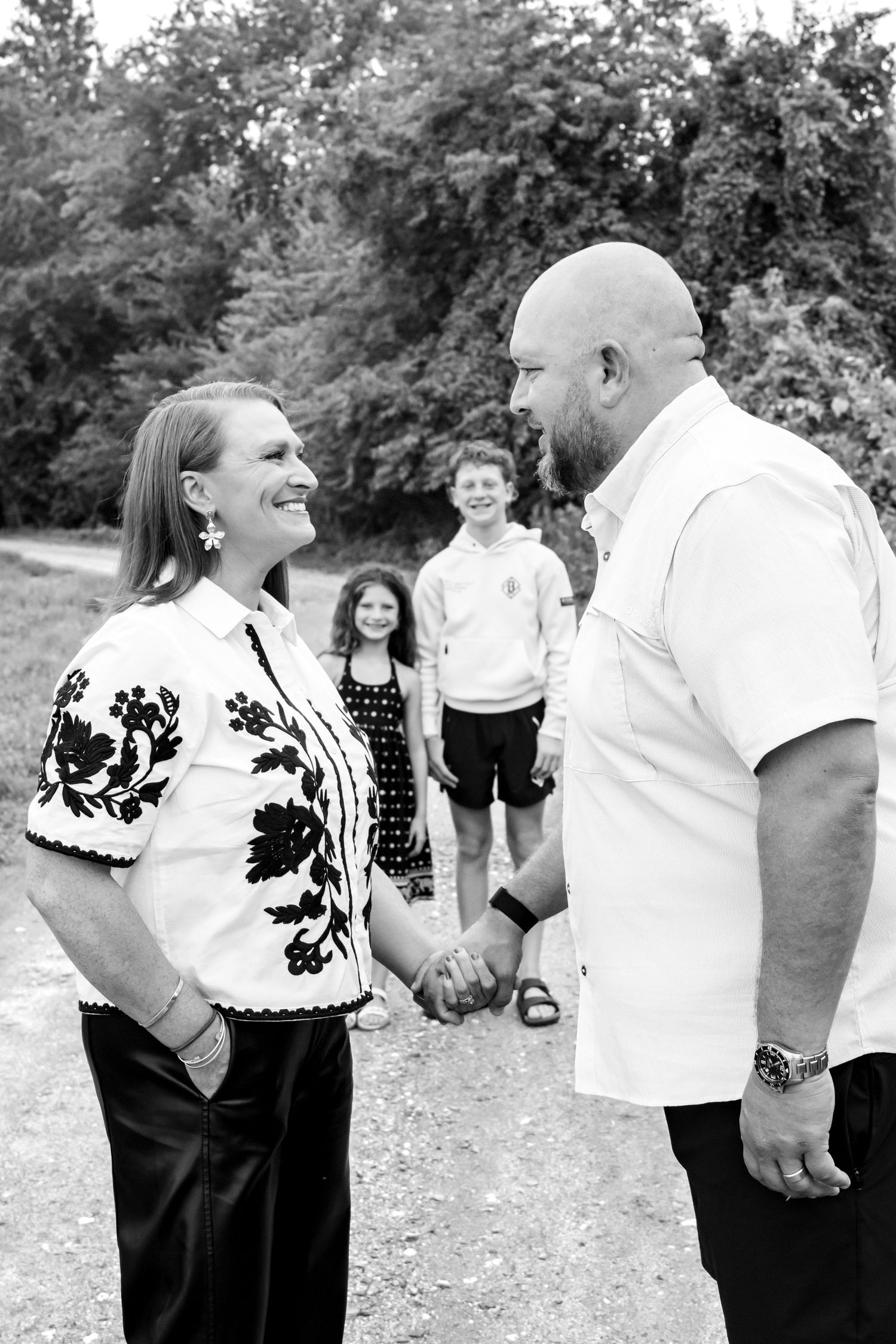
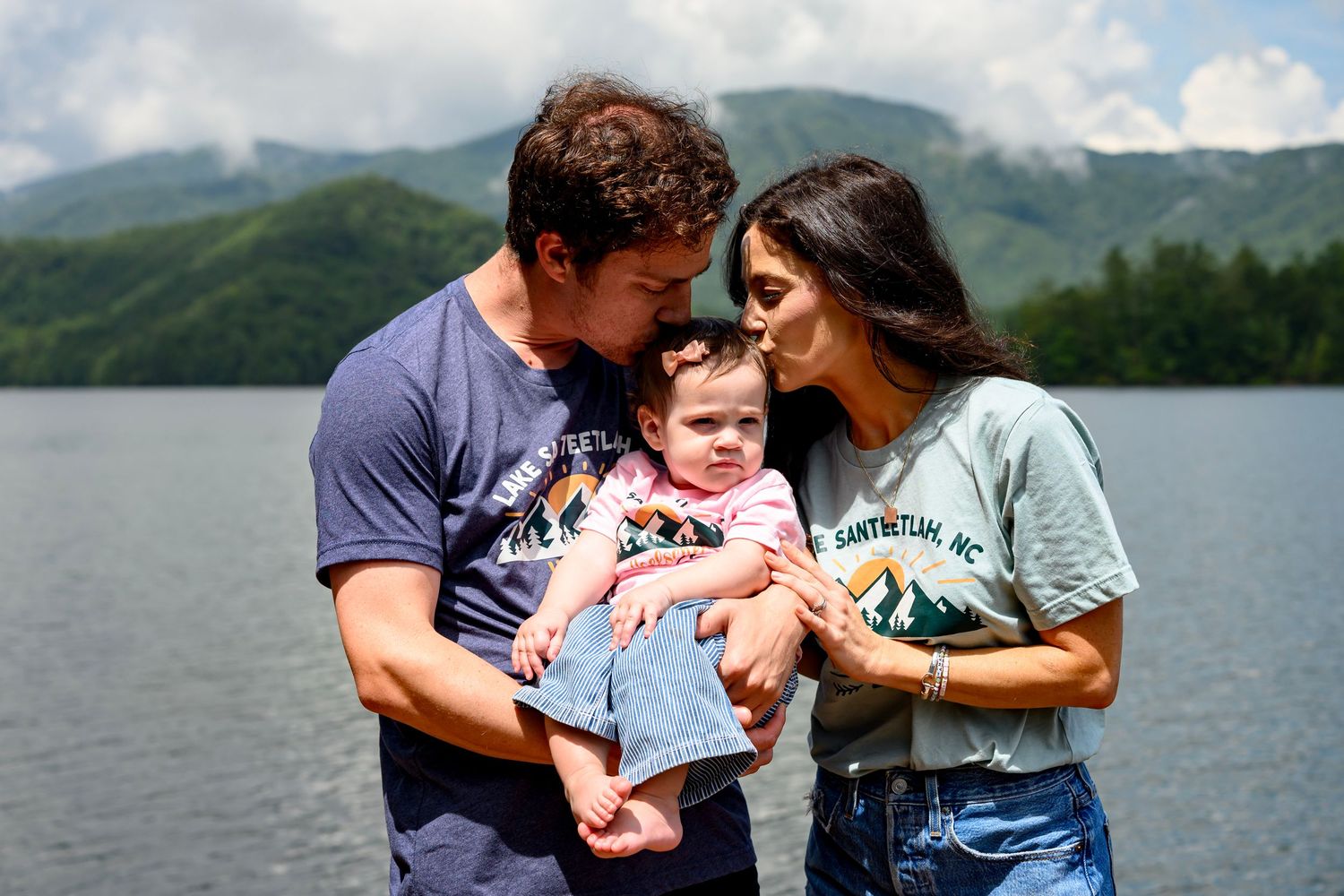
Families running through wildflower fields in Cherokee. Couples standing beside a quiet creek at Deep Creek with fog settling behind them. Kids climbing rocks instead of sitting still.
The mountains somehow make people breathe differently. People relax here.
And relaxed people create real photographs.
That matters to me more than perfect posing ever will.
When I first started photography, I thought I needed everything to look polished and controlled to create beautiful images. Over time, I realized the moments clients love most are usually the ones nobody planned for.
Wind blowing through hair. A child laughing between poses. Someone holding onto their partner without being asked.
Those tiny moments become even more emotional surrounded by the Smoky Mountains because the scenery already feels timeless on its own.
Western North Carolina photography has a completely different atmosphere than photography in cities or studios. The Smokies are constantly changing depending on the season, weather, and time of day. One evening can feel bright and adventurous while the next feels soft and cinematic with clouds hanging low across the mountains.
That is part of why no two sessions here ever look the same.
Spring in the Smoky Mountains brings fresh green mountains, blooming wildflowers, and soft pastel sunsets.
Summer evenings stay warm late into the night with glowing light pouring across the ridges.
Fall in Western North Carolina transforms the mountains into layers of orange, gold, and deep red that people travel across the country to see.
Even winter creates beautiful moody mountain views with soft blue tones and bare trees stretching across the hillsides.
There honestly is not a bad season for mountain photography here.
One of my favorite things about being a Smoky Mountain photographer is watching clients connect with places that already mean something to them.
Some families visit the Smokies every single year. Some couples got engaged here.
Some people grew up camping in these mountains and want photos that feel connected to home.
Others are experiencing the mountains for the first time and want to remember exactly how it felt standing in front of them.
Photography becomes more than “taking pictures” at that point.
It becomes preserving a feeling.
As a photographer based in Bryson City, North Carolina, I want my sessions to feel natural, emotional, and connected to the people in them.
The Smoky Mountains make that easier because the environment already encourages people to slow down and simply exist together.
That is why mountain photography sessions often feel less stressful and more meaningful than traditional posed portraits.
You are not walking into a stiff studio with bright lights and pressure to perform.
You are walking through fields, standing beside rivers, watching sunsets, and making memories while I document it naturally.
That is the real magic of Smoky Mountain photography.
Years from now, people probably will not remember every pose we did during a session. They will remember the sound of the creek water, their child picking wildflowers, the way the mountains looked behind them, or how the fog rolled across the ridges right before sunset.
And honestly, those are the moments worth holding onto.
Ready to book?
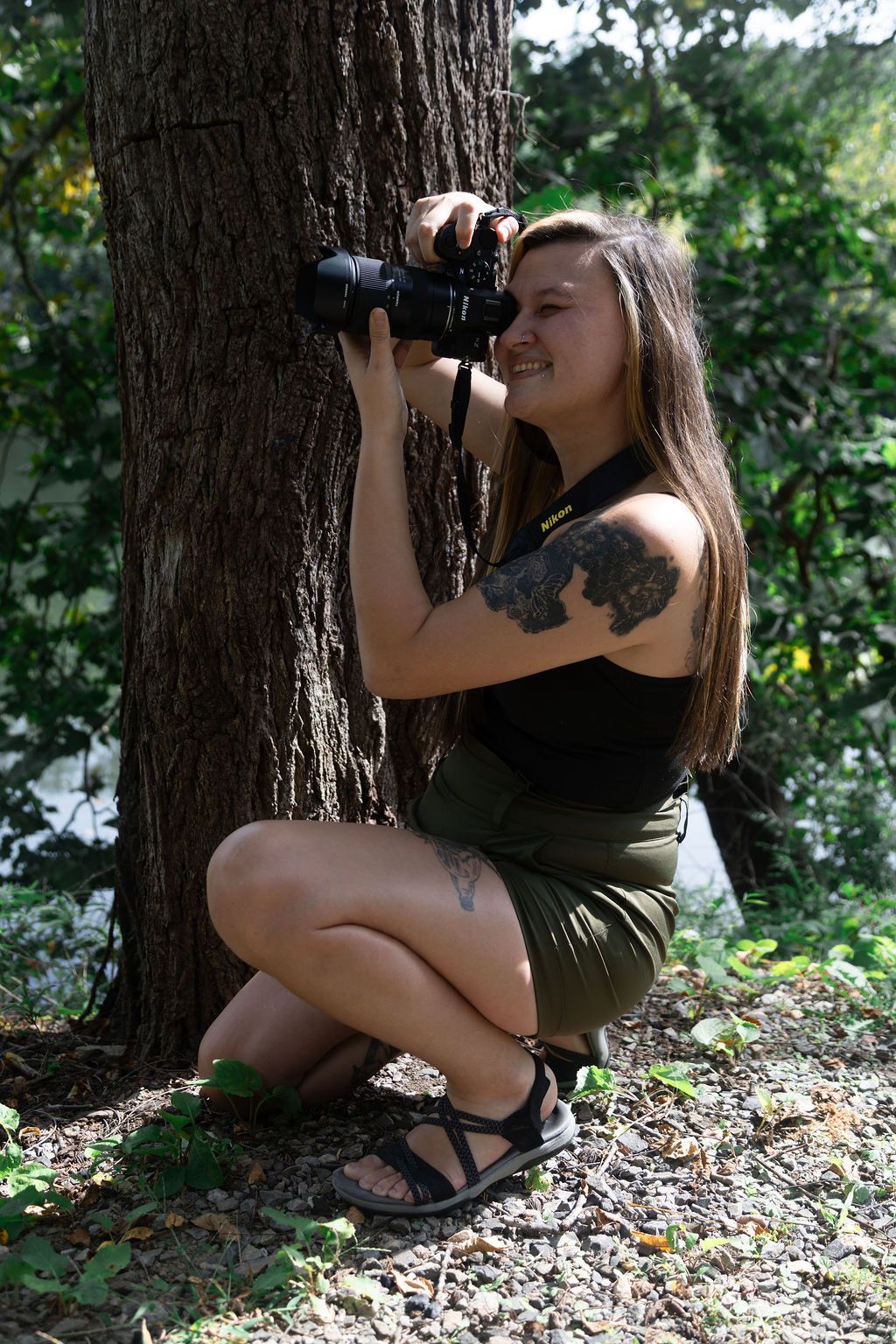
Hi, i'm samantha
I know life is busy. Kids grow fast. Relationships change. Seasons come and go before we realize they're gone.
That's why I believe photographs matter.
Not because life is perfect, but because it isn't.
If you're ready to preserve this season exactly as it is right now, I'd love to help.